Subscribe to RSS
 Download PDF
DOI: 10.1055/a-2596-4136
„O du fürchterliche...“ – Angst (nicht nur) in der Weihnachtszeit
“O how frightfully...” – Anxiety (not only) around christmasAuthors

Was um alles in der Welt hat das Thema ‚Angst, Furcht und Schrecken‘ in einer Weihnachtsausgabe der Deutschen Medizinischen Wochenschrift zu suchen, mögen Sie sich fragen. Ganz so weit hergeholt ist dieses Sujet allerdings nicht – das Grafitto „Merry crisis and a happy new fear“ trifft in dieser besonderen Zeit des Jahres leider doch auf so manche Menschen zu.
Abstract
Despite its cultural association with peace and joy, the Christmas season can act as a psychosocial stressor, triggering or exacerbating various fears or anxiety-related disorders. This article reviews the psychological and somatic dimensions of anxiety in the context of the holiday period, drawing from literature, art, and clinical observations. Specific phobias (e.g., santaclausophobia, decidophobia, dendrophobia), social anxiety disorder, and generalized anxiety disorder are discussed related to seasonal triggers. From a pathophysiological perspective, anxiety can induce dyspnea, tachycardia, palpitations, gastrointestinal symptoms, sweating and dizziness. Mechanisms such as sympathetic overactivity, hyperventilation-induced hypocapnia, corticotropin-releasing hormone effects and the function of the enteric nervous system with respect to anxiety are reviewed. Finally, the article discusses current therapeutic approaches for anxiety symptoms and anxiety- or fear-related disorders including cognitive behavioral therapy (CBT) with exposure exercises, pharmacological options (SSRIs, SNRIs), and complementary interventions such as breath-based relaxation techniques as well as spiritual approaches. In sum, the present article highlights the clinical importance of recognizing anxiety as a transdisciplinary phenomenon frequently encountered not only in psychiatry and psychotherapy, but also across cardiology, gastroenterology, pulmonology, neurology, and dermatology – particularly during periods of psychosocial vulnerability such as the holiday season.
-
Die (Vor-)Weihnachtszeit kann vielfältige Ängste auslösen, etwa vor sozialen Verpflichtungen und weihnachtlichen Symbolfiguren oder im Sinne von bilanzierenden oder antizipatorischen Sorgen. Diese Ängste können sich in Form klinisch relevanter spezifischer Phobien (z.B. Santaclausophobie, Decidophobie, Dendrophobie), einer sozialen Phobie oder einer generalisierten Angststörung manifestieren.
-
Angst äußert sich oft körperlich, z. B. durch Dyspnoe, Tachykardie, Palpitationen, Schwindel, Magen-Darm-Beschwerden oder Schwitzen, und ist damit für viele medizinische Fachdisziplinen relevant.
-
Angstreaktionen basieren auf komplexen neurophysiologischen Prozessen, u.a. einer erhöhten CO₂-Sensitivität, Stresshormonfreisetzung und vegetativer Dysregulation.
-
Kunst und Literatur spiegeln Angst facettenreich wider und machen deren emotionale und körperliche Dimensionen erlebbar.
-
Zur Bewältigung von Angst bzw. Angsterkrankungen helfen Achtsamkeitsübungen bzw. Entspannungsverfahren, kognitive Verhaltenstherapie (KVT), eine pharmakologische Therapie mit SSRIs oder SNRIs sowie spirituelle Ansätze.
Publication History
Article published online:
25 November 2025
© 2025. Thieme. All rights reserved.
Georg Thieme Verlag KG
Oswald-Hesse-Straße 50, 70469 Stuttgart, Germany
-
Literatur
- 1 Jácob F. O du schreckliche. Ein garstiger Weihnachtskanon. Hrsg. Berlin: Kanon Verlag; 2024
- 2 Updike J, Gorey E. The Twelve Terrors of Christmas. Portland, OR, USA: Pomegranate; 2006.
- 3 Ridenour A. The Krampus and the old, dark Christmas: roots and rebirth of the folkloric devil. Port Townsend, WA, USA: Feral House; 2016
- 4 Güll FW. Kinderheimath in Bildern und Liedern. Nachdruck der Ausgabe von 1836. Dortmund: Verlag Harenberg; 1978
- 5 Dillard A. Teaching a stone to talk. In: . Edinburgh, Scotland: Canongate Canons; 2017: 145
- 6 Fitzek S. Das Kalendermädchen. In: . München: Droemer HC; 2024: 44-45
- 7 Dickens C. Weihnachtserzählungen. In: . München: Deutscher Taschenbuch Verlag; 1997: 25; 27; 100; 103
- 8 Redaktionsnetzwerk Deutschland (RND). (2019) Scar of Bethlehem: „Diese Weihnachtsbotschaft hat Banksy hinterlassen“ (22.12.2019). Accessed April 06, 2025 at: https://www.rnd.de/kultur/scar-of-bethlehem-diese-weihnachtsbotschaft-hat-banksy-hinterlassen-KBP3CQ5475DRBPL6UG5BPDUZYQ.html
- 9 Peretti PO. Holiday depression in young adults. Psychologia 1980; 23: 251-255
- 10 Domschke K, Zwanzger P. Das Alphabet der Angst: 200 Fakten rund um unsere wichtigste Emotion. Von A wie Adrenalin bis Z wie Zukunftsangst. Freiburg: Verlag Herder; 2025
- 11 Domschke K. Angst in der Kunst: Ikonografie einer Grundemotion. Stuttgart: Kohlhammer Verlag; 2019
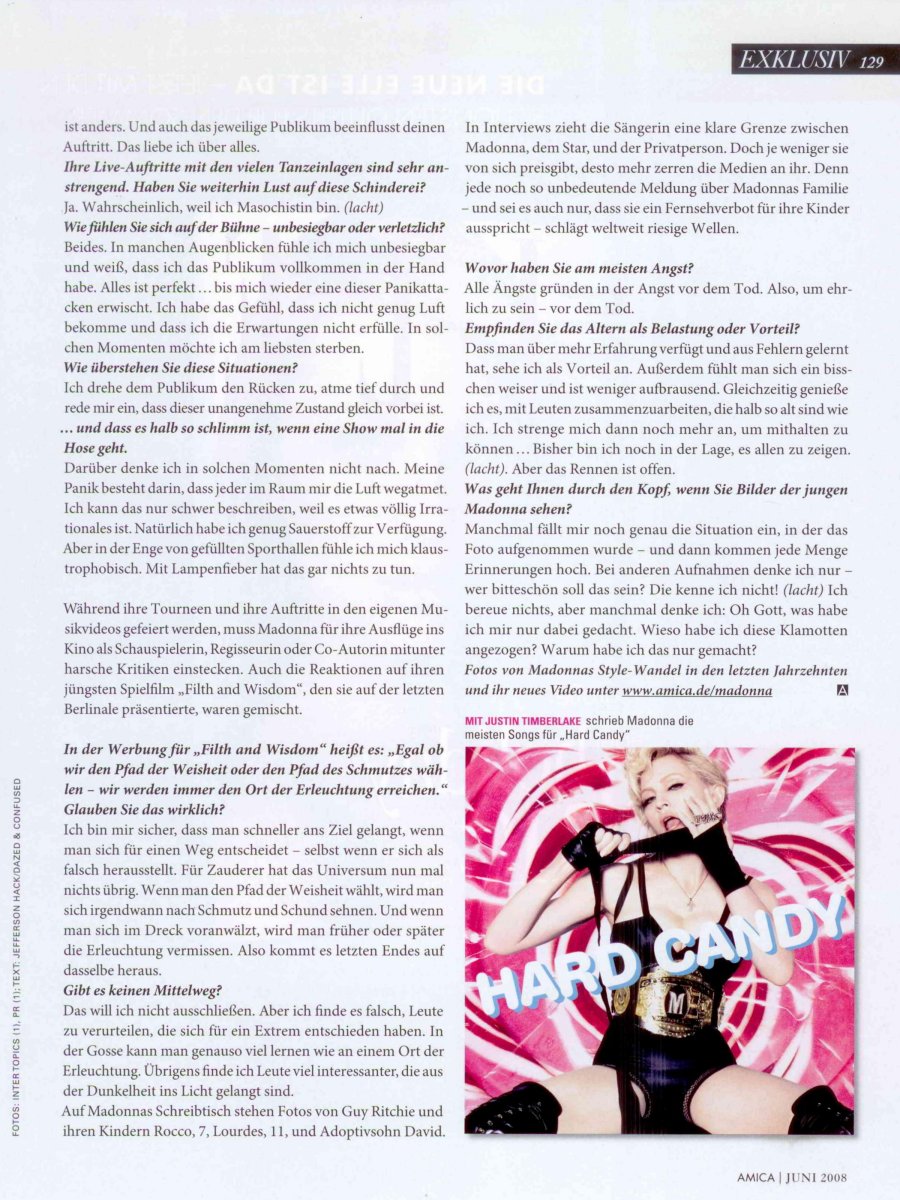
- 12 AMICA. (Juni 2008) „Madonna“ S. 129. Accessed April 11, 2025 at: http://www.madonnalicious.com/images/extra/2008/amica_0608_page6.jpg
- 13 Zweig S. Angst. In: . Frankfurt a.M.: Fischer; 2005: 56; 73; 103
- 14 Pietzcker C. Ich kommandiere mein Herz: Brechts Herzneurose – ein Schlüssel zu seinem Leben und Schreiben. In: . Würzburg: Königshausen & Neumann; 1988: 8; 16
- 15 Darwin C. Der Ausdruck der Gemüthsbewegungen bei dem Menschen und den Thieren. Kapitel III. Delphi 1049. In: . Nördlingen: Franz Greno; 1986: 78
- 16 Kuttner S. Mängelexemplar. In: . Frankfurt a. Main: Fischer Verlag; 2009: 56-57
- 17 Kierkegaard S. Der Begriff der Angst. 7. Aufl. München: dtv Verlagsgesellschaft; 2005
- 18 Nemes L. Alphabet der Angst, 2017. In: GierAngstLiebe, Katalog zur Ausstellung in der Berlinischen Galerie. Hartmann Books. 2018
- 19 Mayer-Thoss C. Louise Bourgeois: Designing for Free Fall, Konstruktionen für den freien Fall. Zürich: Ammann; 1992
- 20 Biser E. Das Christentum als Religion der Angstüberwindung. In: Möde E. , Hrsg. Leben zwischen Angst und Hoffnung (Eichstätter Studien – Neue Folge). Regensburg: Verlag Friedrich Pustet; 2000: 163-194